
Conditions we Treat


We specialise in helping people with persistent pain, complex injuries, and movement problems that haven’t responded well to standard treatment.
Our neurological and movement-based approach focuses on understanding why your symptoms are happening — not just where they’re felt — so we can support long-term recovery.
Who This Is For
Our care is especially suited to people who:
Have ongoing pain with no clear explanation
Feel “stuck” despite trying multiple treatments
Experience recurring flare-ups
Want deeper answers and lasting improvement
Prefer personalised, one-on-one care
If you’ve been told “everything looks normal” but don’t feel normal, a neurological assessment can often reveal important missing pieces.
Common conditions we Treat
-

Chronic pain
- Chronic back pain
- Persistent neck and shoulder pain
- Recurrent muscle tightness
- Pain without clear imaging findings
-
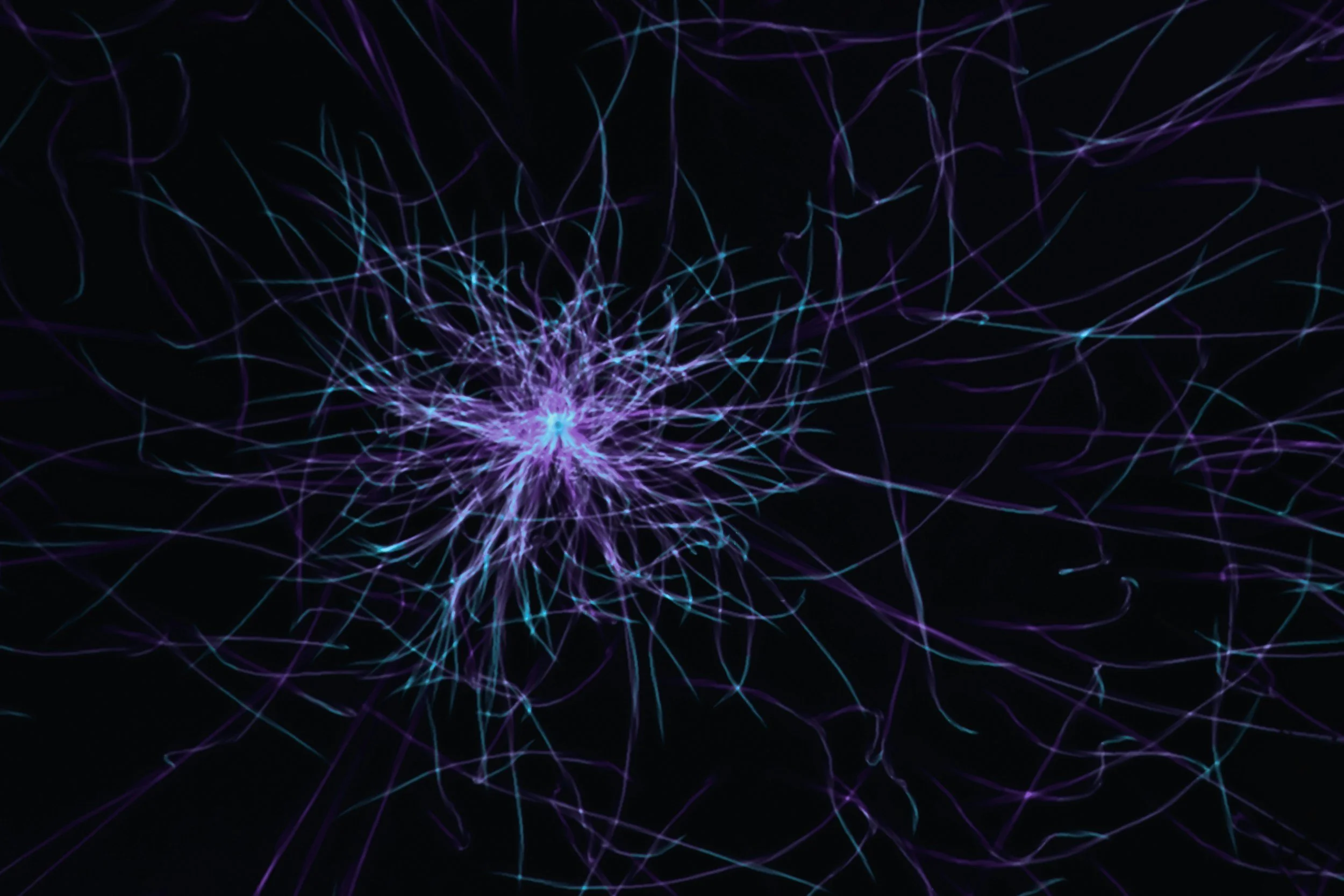
Neurological & Nerve-related Symptoms
- Sciatica and radicular pain
- Tingling, numbness, pins and needles
- Altered sensation
- Balance or coordination difficulties
-

Head, Neck & Upper Body Disorders
- Tension-type headaches
- Cervicogenic headaches
- Jaw tension & TMJ
- Migraines
- Desk-related postural strain
-

Sports, Exercise & Performance Injuries
- Strains and sprains
- Overuse injuries
- Running-related injuries
- Gym and strength-training pain
- Movement efficiency problems
-
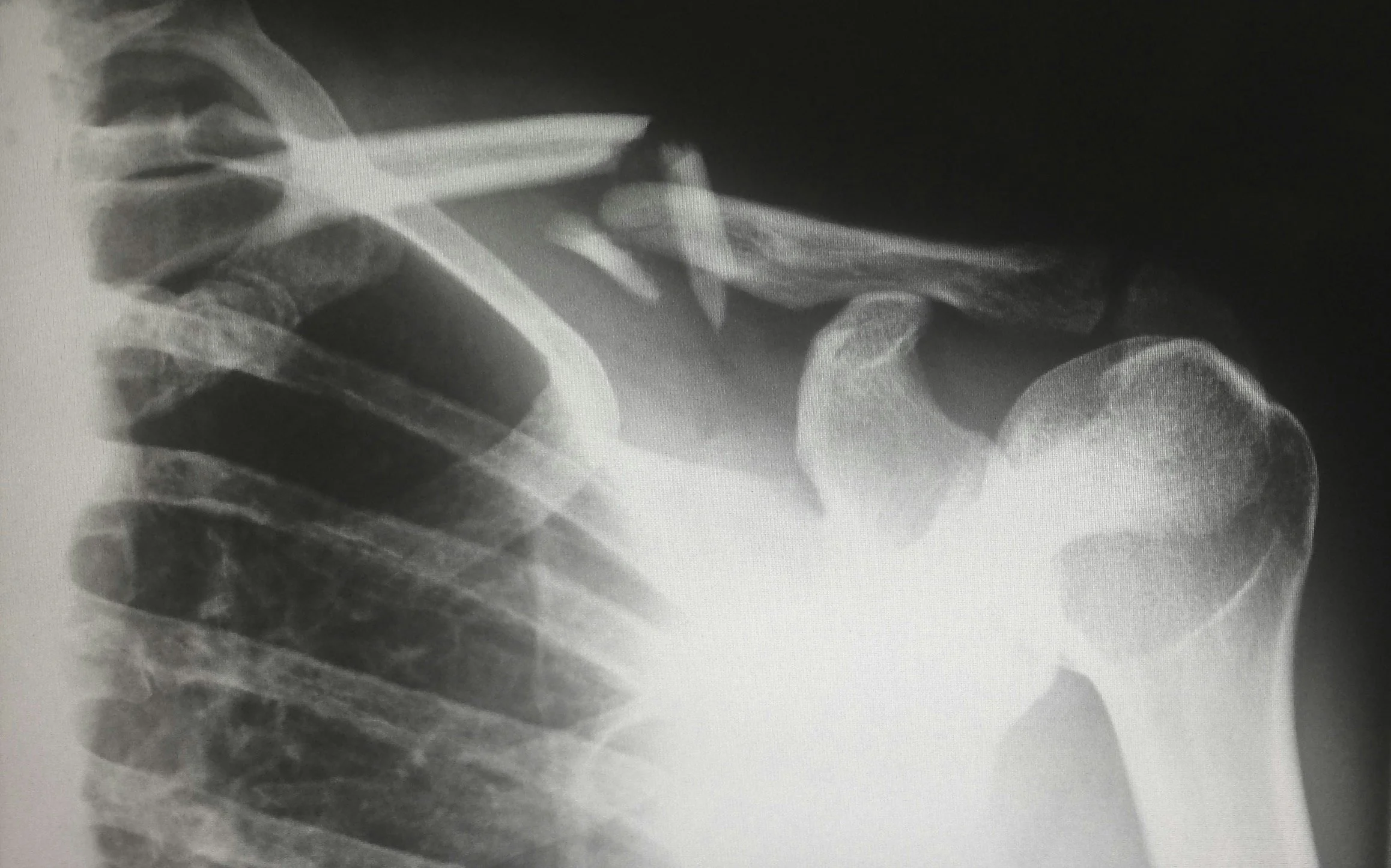
Post-Injury and Surgical Rehab
- Ongoing pain after injury
- Delayed or incomplete recovery
- Post-operative stiffness
- Reduced mobility
- Loss of confidence in movement
-
Movement & Posture Challenges
- Poor or sustained posture
- Restricted joint mobility
- Asymmetrical movement patterns
- Compensatory loading
- Reduced motor control
- Decreased flexibility and stability
Who this approach is designed for
This structured approach is particularly effective for people who:
Have tried multiple treatments without lasting improvement
Experience recurring flare-ups
Want clear explanations and measurable progress
Prefer one-on-one specialist care
Are motivated to participate in their recovery
How We Assess and Treat
Each client receives a comprehensive evaluation that may include:
Neurological screening
Movement and posture analysis
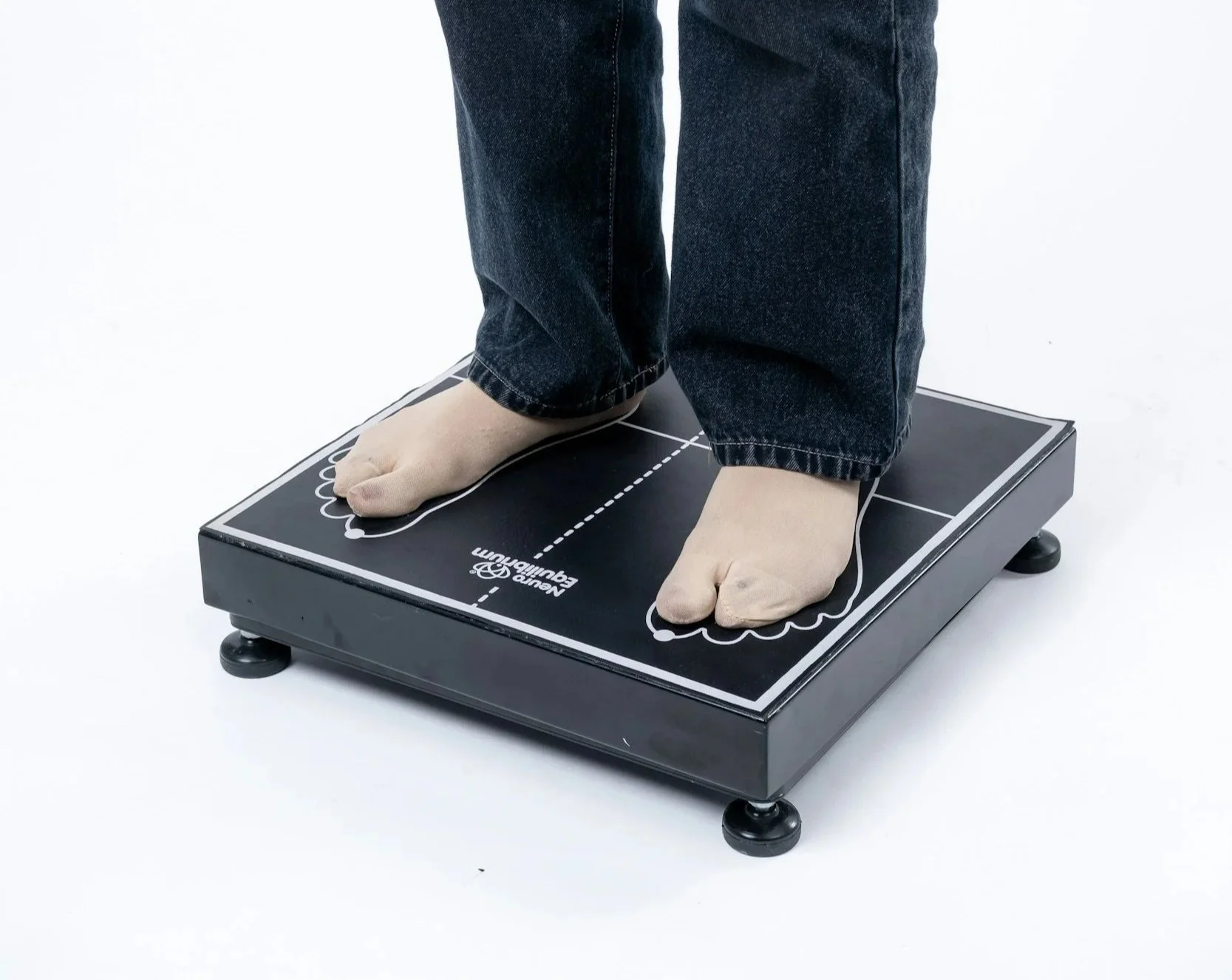
Sensory and balance testing
Manual assessment
Functional performance testing
Based on this, we develop an individualised rehabilitation plan incorporating:
Manual therapy (where appropriate)
Targeted exercises
Nervous system regulation strategies
Education and self-management tools
Progressive reconditioning
Why a Neurological Framework Matters
Many physical symptoms persist because the nervous system becomes overprotective or poorly coordinated after injury, stress, or repeated strain.
This can lead to:
Heightened pain sensitivity
Muscle guarding
Reduced movement confidence
Ongoing flare-ups
Activity avoidance
By addressing these mechanisms directly, rehabilitation becomes more efficient and more sustainable.
Unsure Where You Fit?
Some clients present with overlapping symptoms or complex histories.
If your concern doesn’t clearly fit one category, we’re happy to advise whether our physiotherapy approach is appropriate for you.